Solutions

Extruder

Extruder

In aquafeed production, it is essential to consider the specific feed requirements of each fish and shellfish species. Our partner ANDRITZ offers unique, high-capacity extrusion lines for the production of all types of feed for fish and shellfish.

ANDRITZ extruders ensure the feed achieves the required physical properties, delivering the appropriate sinking characteristics according to the level of the water column where it is intended to be consumed. As a result, they represent state-of-the-art technology, enabling the production of high-quality aquafeed with minimal operating costs.


Extruder – EX1250

  • High capacity extrusion: 10-20 tph

  • High degree of processing flexibility

  • User-friendly design for operation and maintenance

  • Minimum downtime


Extruder – EX1021

  • High capacity: 2-12 tph

  • Low maintenance and wear parts costs

  • High performance V-belt transmission


ANDRITZ extruders can be used for a great variety of aqua feed:

  • Fast sinking feed

  • Slow sinking feed

  • Floating feed

  • Feed with high or low oil content


Expansion Control System (ECS)

The patented ANDRITZ ECS is a reliable system for accurate control of expansion for any extruded product. The ECS controls sinking speed accuracy and efficiency regardless of formulation, raw material quality, and operator skills. The ECS controls the density of the extrudates externally from the extruder.


Flextex

The Flextex system controls the starch cooking in the extrusion process. The required product density is maintained by means of on-line control of the specific mechanical energy.

Mixer

Mixer

The ANDRITZ OptiMix paddle mixer is a well‑established and trusted solution for fast, precise, and hygienic batch mixing across animal feed, aqua feed, and pet food production. With certified mixing quality of less than 5% Coefficient of Variation (CV) and a robust industrial design, OptiMix has earned its reputation for reliable, repeatable performance in feed mills around the world.


OptiMix 2.0

Driven by evolving customer expectations and stricter operational requirements, OptiMix 2.0 introduces targeted improvements in operator safety, hygiene, liquid application, system integration, installation, and transport. The result is a mixer that delivers the same outstanding mixing performance as OptiMix, while making daily operation safer, cleaner, and easier throughout the machine lifecycle.


  • Improved operator safety

A patented outlet‑gate and sealing system allows gate adjustments and seal replacement without entering the mixer. This significantly reduces operator risk while increasing uptime and maintenance efficiency.


  • Unmatched precision and hygiene

Our patented nozzle technology enables quick nozzle change without the need of shutting down the mixer, clean anti-drip feature makes cleaning easy and reduces cross-contamination between batches.


  • Smarter inlet design, adapted to the application

The OptiMix 2.0 inlet section is designed around real process requirements. Where no inlet section is needed, the mixer can be delivered in a simplified configuration. Reducing system complexity and investment cost while maintaining the proven OptiMix mixing performance.


  • Compact design for cost-effective transport and installation

With the new OptiMix 2.0 design, the pre‑bin, mixer, surge‑bin, and inlet section are engineered to fit into a single container. This enables customers to order a complete, fully matched system as one package: simplifying logistics, reducing transport costs, and ensuring fast, reliable installation from day one.


Benefits at a glance

  • Proven high‑quality mixing with consistent results
  • Safer maintenance with reduced operator risk
  • Cleaner liquid application for improved hygiene
  • Easy retrofit into existing plants
  • Cost effective transport and installation
Dryer

Dryer

Our partner ANDRITZ Combi-Zone dryer is specifically designed for the production of high-quality aquafeed and pet food. It ensures gentle, uniform, and efficient drying of extruded feed pellets.

With individual control of temperatures and air flow in each zone, the combi-zone dryer secures optimum drying. It covers a variety of production capacities up to 30 tph and product sizes ranging from 0.8-40mm.


Advantages of the combi-zone dryer

  • Gentle and precise drying

  • High energy efficiency at lower cost per ton

  • Drying process with respect to nutritive value

  • Product size range of 0.8-40 mm

  • Uniform drying of each pellet

  • Excellent control at every step of the drying process

  • Adjustable retention time
Pellet mill

Pellet mill

Today’s demands for high-quality animal feed production require advanced pelleting equipment. Decades of experience and in-depth knowledge of the pelleting process have resulted in a range of proven ANDRITZ pellet mills. These machines stand out for their high performance, reliability, feed hygiene, ease of maintenance, and low energy consumption.


ANDRITZ FeedMax G Series Pellet Mill

Our partner ANDRITZ FeedMax G series features a new optimized design that ensures highly efficient feed pelleting. It combines the best of current pelleting technology with the proven features of ANDRITZ gear-driven pellet mills and offers the highest output per kWh in its class. The series is available in G7, G9, and G12 models.


Advantages of the FeedMax series:

  • Compact profile, small footprint, and modular design, making it easy to integrate into feed plants.

  • Internal spray-nozzle lubrication system with proven effectiveness in ensuring optimal lubrication conditions for the gears.

  • Efficient feed distribution: a unique, one-piece adjustable feed plough design allows quick and easy adjustment while ensuring uniform feed distribution across the die area and ahead of each roll.

  • Designed for a longer service life: all parts that come into contact with the feed are made of stainless steel, including the roller main shaft and die housing.

  • Tapered die fit with a self-piloting effect, making die changes smooth and easy.


Sprout Pellet Mills

The Sprout series is available in gear-driven and V-belt versions.


Sprout - Gear-Driven

For high-capacity pelleting processes and production schedules that require frequent die changes, the Sprout gear-driven pellet mill offers power and versatility. Thanks to its quick-change pelleting cartridge, dies can be replaced in approximately 10 minutes to accommodate changes in production schedules or routine maintenance. The cartridge contains the die housing, die, die cover, rolls, and main shaft. It can be easily removed from the pellet mill and transported on a sturdy cart to a stand for storage or maintenance.


Sprout - V-Belt

The Sprout V-belt pellet mill offers very low production costs through a simple and highly efficient design. Its drive system features a straightforward configuration consisting of two rugged bearings, a main shaft, and the die housing. With more than 40 years of proven operation, the V-belt system uses fewer components, resulting in less wear, quieter operation, and lower maintenance costs. This highly reliable equipment enables pellet production at one of the lowest costs per ton available.


ANDRITZ Feed & Biofuel Technologies offers a range of proven pellet mills that ensure highly efficient feed pelleting.

Micro Fluid System

Micro Fluid System

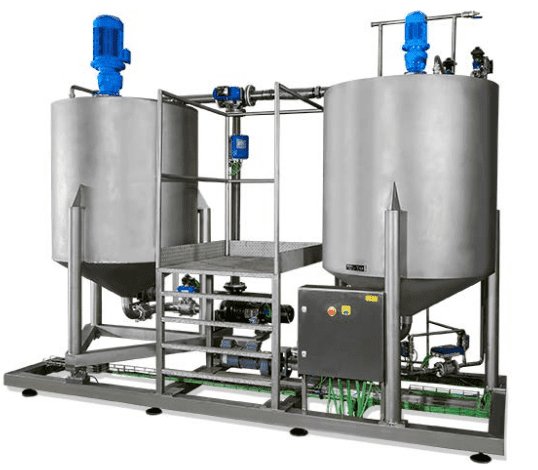
Our partner ANDRITZ Micro Fluid System is designed for post-pellet liquid application through the continuous spraying of micro and macro fluids, such as enzymes, amino acids, vitamins, flavorings, fats, and oils, onto animal feed pellets or granulates after the drying/cooling process.


Benefits of adding micro ingredients after pelleting:

  • More flexibility in the feed pelleting line
  • Increased capacity as multiple feed variants can be produced without restarting the process
  • Post-pellet application of heat-sensitive micro-ingredients is more cost-saving compared to liquid application before pelleting (pre-heat treatment)


Advantages of the ANDRITZ micro fluid system

  • High fluid dosing accuracy even at low flow rates
  • Precise fluid distribution
  • Operation flexibility
  • Compact design making it easy to install in all facilities
  • Hygienic design and easy access for cleaning
  • Computerized control system providing documentation and diagnostics
Silo unloaders

Silo unloaders

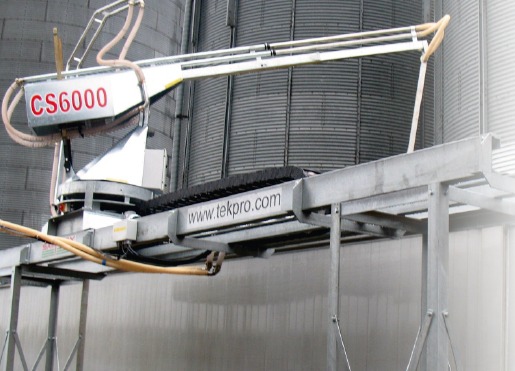
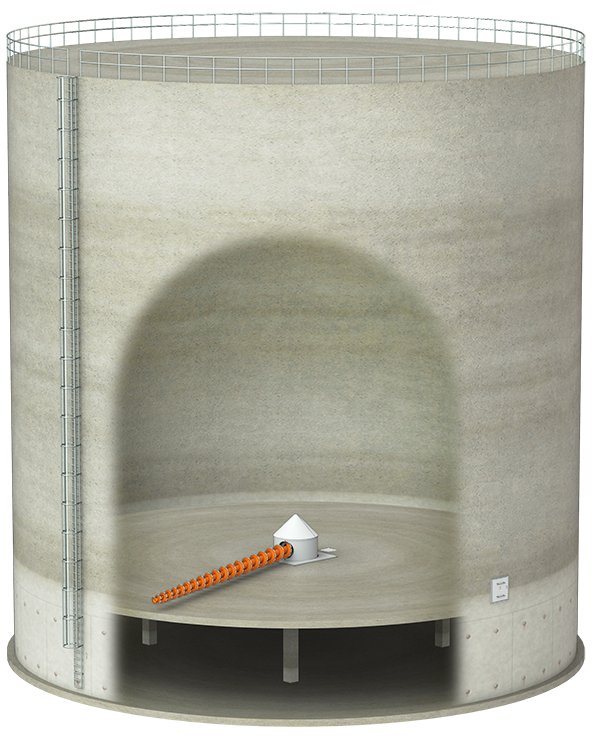
Laidig is an industry leader in bulk storage and reclaim, specializing in systems for extracting hard-to-flow raw materials from conical and/or flat-bottom silos.

When materials stored in silos do not discharge properly, two types of actions are typically taken:

  • For large silos: Workers enter to manually unload the material with shovels.
  • For smaller silos: The walls or cone of the silo are struck to dislodge the material and enable flow.

In either case, these methods have significant drawbacks. In the first, there is a severe risk to human life, and in the second, long-term damage occurs due to dents in the silos. At Clivio Solutions, we offer the ideal solution to prevent workers from entering silos or striking their walls.

Key advantages of Laidig extractor systems include:

  • Safety: Eliminates life-threatening risks for operators.
  • Sanitation: Prevents rat holing and material buildup.
  • Traceability: Ensures FIFO (First In, First Out) system compliance.
  • Capacity: Enables complete filling and emptying of silos, maximizing their capacity.

In the following video, we can see a comparison between silos that do not have a Laidig system and silos that do. This clearly demonstrates the significant advantages mentioned earlier.

If you have a conical silo, the ideal equipment for your application is the Cone Bottom model (available in electric and hydraulic versions, depending on your requirements).


If you are looking for a solution for flat-bottom silos and low-flow materials, such as animal-derived flours or soy paste, the suitable reclaimer models are the X-tractor, Cantilever, or Track-Drive. For these applications, the silo can operate fully loaded, and discharge will be efficient and safe thanks to the reclaimer, which keeps the bottom 100% active during the unloading process.


If you need to sweep the bottom once the product stops flowing freely by gravity, the suitable model is the Clean Sweep. This silo bottom sweeper activates only for the final product discharge and cleaning, making it a very common solution for grains, legumes, or free-flowing products.


No matter the discharge issue with your silo, together with Laidig, we have the ideal solution to protect your company's team and prevent risks.

End of line

End of line

Together with Innova Group, we can provide a comprehensive solution for the end of the production line, covering all stages from horizontal/vertical strapping to wrapping and stretch hood application.

Strapping system

In the ceramics sector, having a reliable strapping system—both vertical (FV) and horizontal (FH)—is crucial to stabilize and secure the load. There is an option to add corner protectors at the edges, which will create a neater pallet with reduced risk of film breakage at those points.

Wrapper

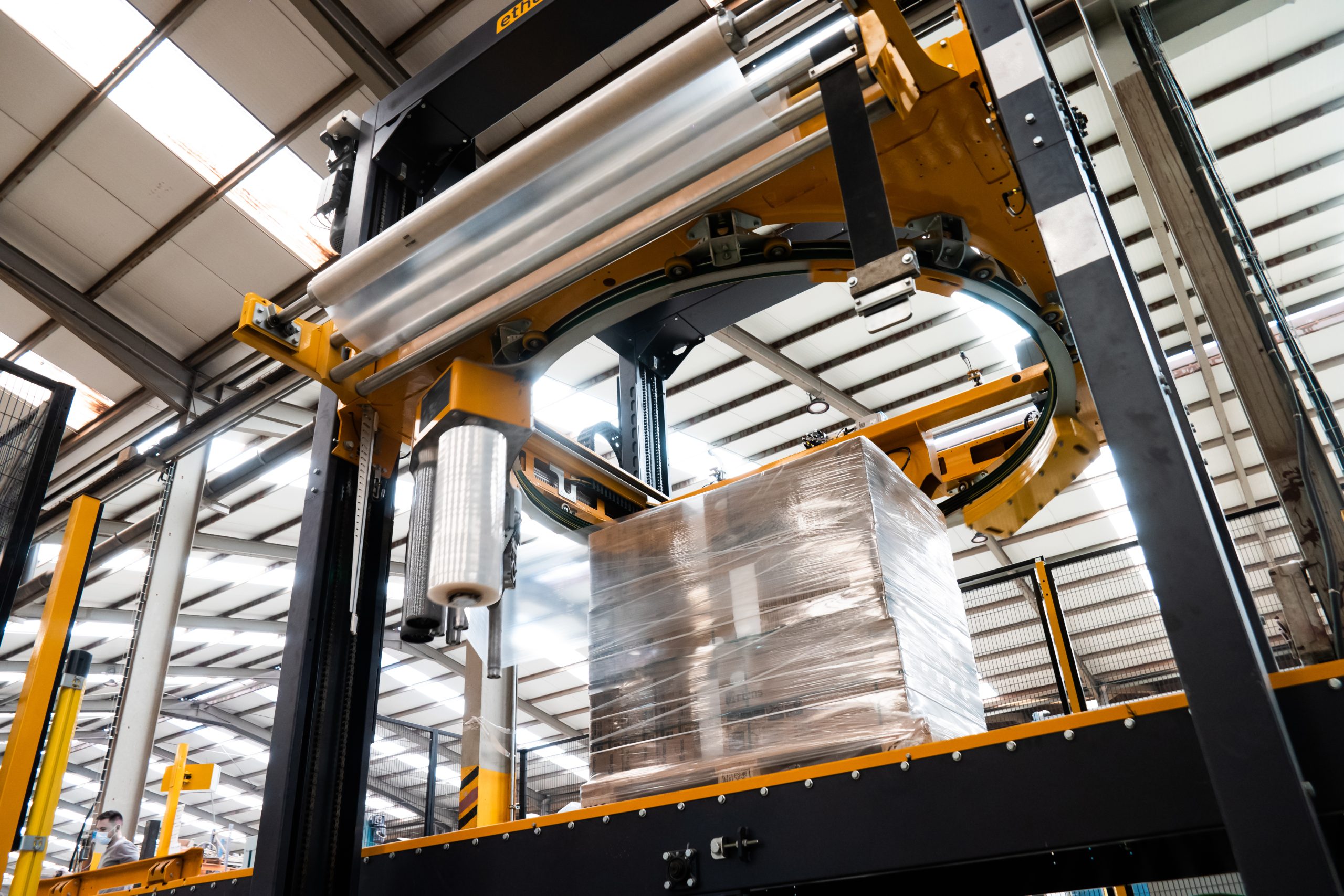
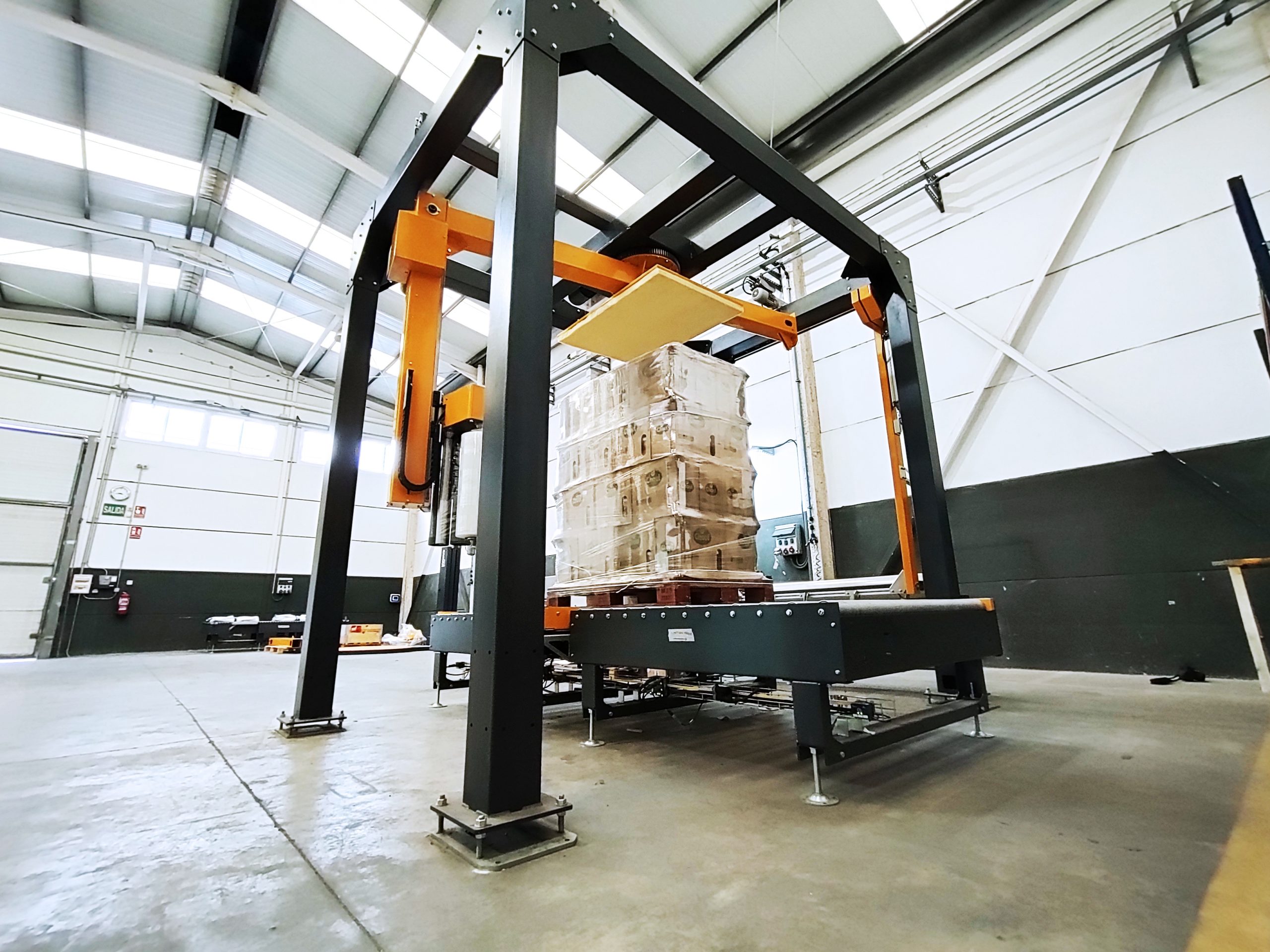
For the wrapping station, we can incorporate a rotary arm system (AWS) or a ring system (AWR). Both systems meet expectations, with the difference being that the AWR offers greater capacity. In the wrapping station, it's important to ensure proper film stretching and, above all, create a "cord" with the same material to tightly secure the load. This eliminates the need for the traditional "triangles" used in the industry, drastically reducing end-of-line costs and making the line much more cost-effective.

Stretch Hood

To provide greater protection for your load and visibility for your brand, the solution you need is a Stretch Hood system.

This innovative technology uses a tubular film that extends and adapts to the shape of the load, offering stability and protection. It provides significant savings in consumables, faster wrapping speed, complete load protection, security during transport, and a superior finish that adds value to your palletized product.

Optional accessories:

  • Vertical corner protector applicator system
  • High productivity kit (fast welding and air bladder)
  • Motorized uncoiler
  • Load edge rounding system

The lines can be integrated with AGV systems, utilizing different control systems. Of course, we also handle the entire project development tailored to the customer's needs, which is one of the strengths of this solution.

Silo discharge

Silo discharge

Laidig is an industry leader in bulk storage and reclaim, specializing in systems for extracting hard-to-flow raw materials from conical and/or flat-bottom silos.

When materials stored in silos do not discharge properly, two types of actions are typically taken:

  • For large silos: Workers enter to manually unload the material with shovels.
  • For smaller silos: The walls or cone of the silo are struck to dislodge the material and enable flow.

In either case, these methods have significant drawbacks. In the first, there is a severe risk to human life, and in the second, long-term damage occurs due to dents in the silos. At Clivio Solutions, we offer the ideal solution to prevent workers from entering silos or striking their walls.

Key advantages of Laidig extractor systems include:

  • Safety: Eliminates life-threatening risks for operators.
  • Sanitation: Prevents rat holing and material buildup.
  • Traceability: Ensures FIFO (First In, First Out) system compliance.
  • Capacity: Enables complete filling and emptying of silos, maximizing their capacity.

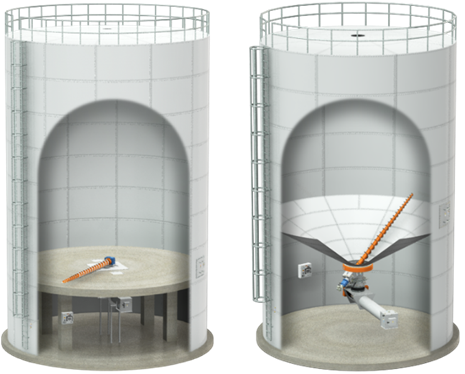
When we talk about the cement industry, we have the particularity that a large portion of the cement is stored in domes. In this situation, material discharge becomes complex and requires specialized systems to achieve effective and efficient discharge.

In response to this, the Fluidized Screw system from Laidig is designed to eliminate traditional fully fluidized floors, which are prohibitively expensive in large storage diameters. The Laidig system uses fluidized radial channels to clean a large portion of the storage silo and a mechanical screw to extract the remaining material piles. This provides nearly total and fully automated cleaning, while also breaking up hard material and avoiding dead zones.

The Fluidized Screw recovery system integrates the best of two proven technologies: the efficiency of air gravity conveyors and the robustness of mechanical screw reclaimers.

Below is an animation of the material recovery process:

In this video, a real application:

There is also the possibility of storing cement in conical silos. In these cases, the ideal equipment for your application is the Cone Bottom model (available in both electric and hydraulic versions, depending on the requirement).

No matter the discharge issue with your silo, together with Laidig, we have the ideal solution to protect your company's team and prevent risks.

Raw material reception in big bags

Raw material reception in big bags

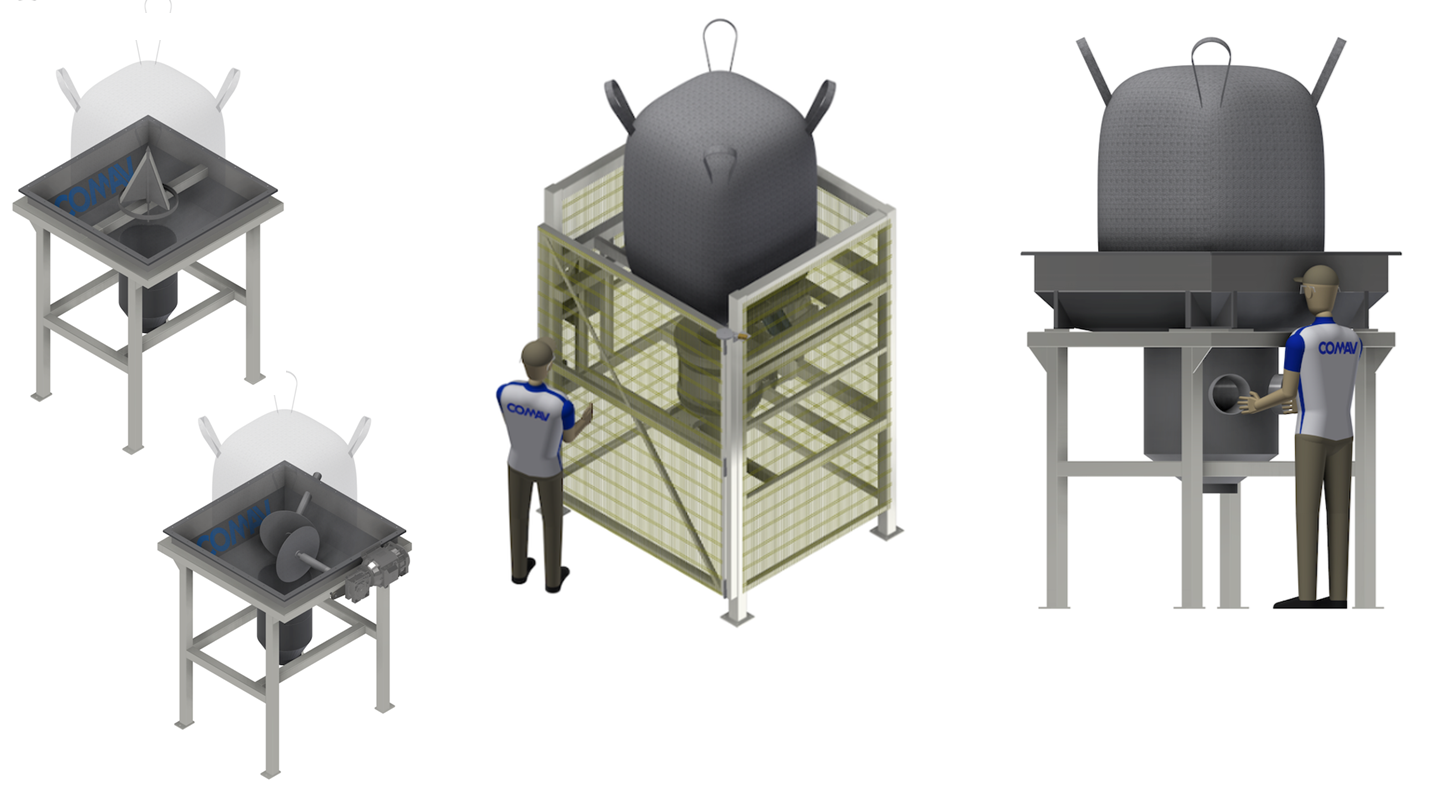
Many raw materials are received in big bags, and safely and automatically unloading the product can be a challenge. With Comav unloaders, you can make this process much more efficient and secure.

If the big bags are disposable, the opening blades will do their job by tearing the bottom of the big bag. On the other hand, if the big bag is reusable and features a sleeve or neck at the bottom, the appropriate equipment is one that allows manual intervention by the operator for opening. At Clivio Solutions, together with Comav, we offer both opening options.

The ideal equipment for your plant will be the one that matches the level of automation and unloading capacity you want to achieve, always prioritizing safety.

When a high unloading capacity is required, we must resort to a set of unloaders, which can work in parallel without any issues. An example of such installations is shown below, where the same feeding channel using conveyor rollers is used for both unloading systems.

Along with Comav, a wide range of systems for big bag opening, with or without unloading sleeves, is offered. For these applications, multiple accessories are available, such as:

  • Cylinders for emptying the bottom residual of the big bag.
  • Hoists with cable or battery (wireless).
  • Rotary valves for pneumatic transport or other types of transport.
  • Knife valves for sealing the big bag sleeve.
  • Lump breakers.
  • Systems for extracting and filtering the pollution generated and reinserting the dust into the transport system to maximize utilization.

The equipment has a flat hopper with a special gasket and a safety structure useful for disengaging the sleeve.

Pre-conditioner

Pre-conditioner

Correct conditioning of a material is necessary in order to obtain a good pellet quality and an effective utilization of the pelleting or extrusion installation. Optimum conditioning results in the desired activation of natural binders by using heat, moisture, and time. 

Our partner ANDRITZ offers four different series of conditioners that ensure optimal material preparation before the pelleting or extrusion process.


Conditioner – type CM

The CM conditioner ensures excellent mixing and optimum retention time.

Key features:

  • Provides uniform feeding to the pellet mill or extruder

  • Clean design and stainless steel construction
  • Easy inspection and cleaning
  • Wide paddles that are individually adjustable
  • Controlled steam and liquid addition


Conditioner – type CRT

The CRT conditioner ensures uniform product, good absorption, few blockage, and smooth running.

Key features:

  • Material flow – first-in first our principle
  • Conditioning at temperatures up to 95 ⁰C
  • Formatting to eliminate common salmonella strains and similar bacteria
  • Pasteurization to provide sufficient time to ensure uniform distribution of heat
  • Time for steam and other liquids to be absorbed – typically operating at 2-4 minutes


Conditioner – type CM-PH

Experience has shown that it is quite a challenge to reach a temperature of 84 °C in the first batch and ensure pasteurization of the material. With the CM-PH series it is possible to reach at least 84 °C in the first production batch, ensuring that the material will be as hygienic as possible.

Key features:

  • Closeable inlets and outlets

  • Easy inspection and cleaning
  • Wide paddles that are individually adjustable
Macro-dosing

Macro-dosing

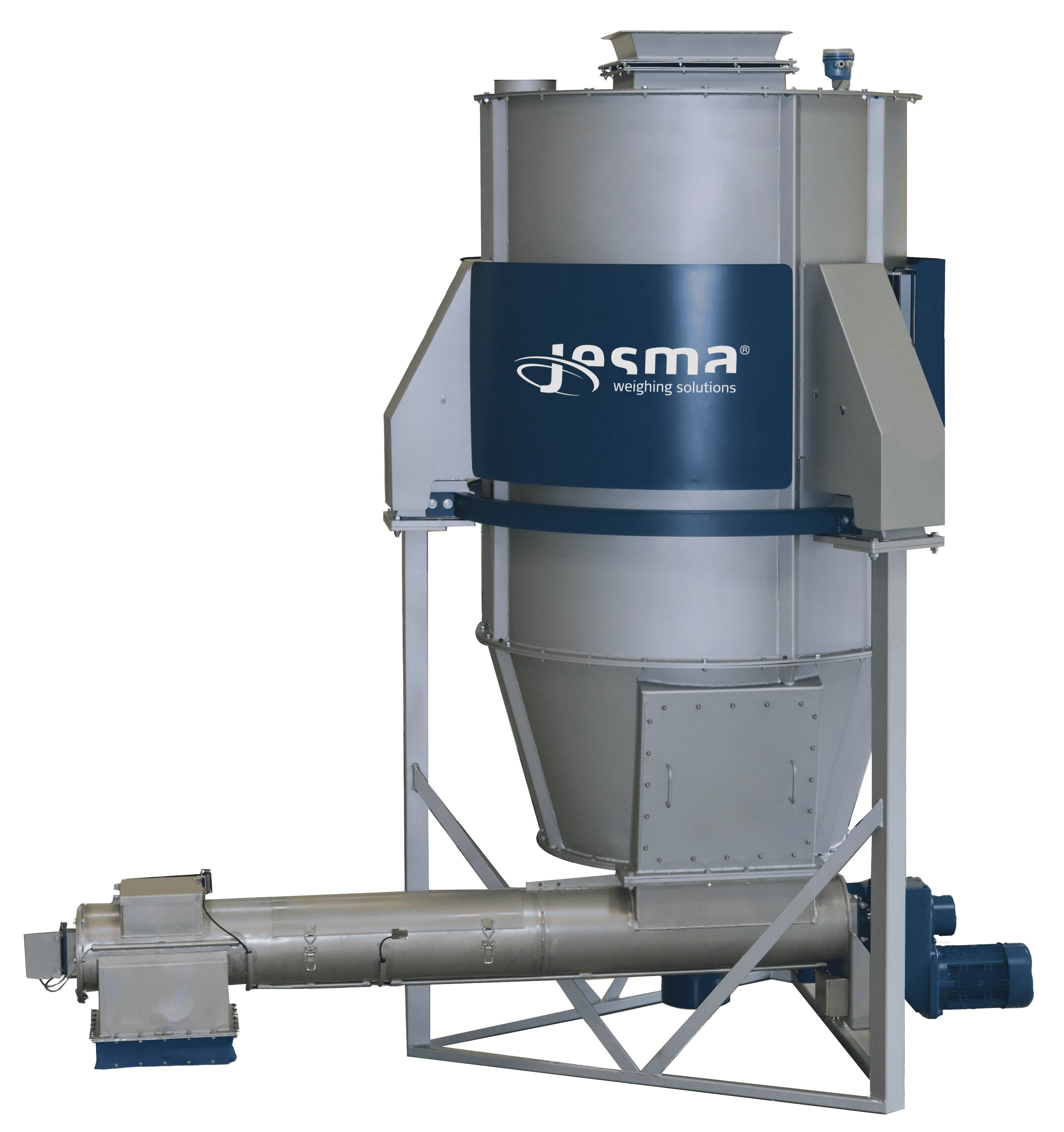
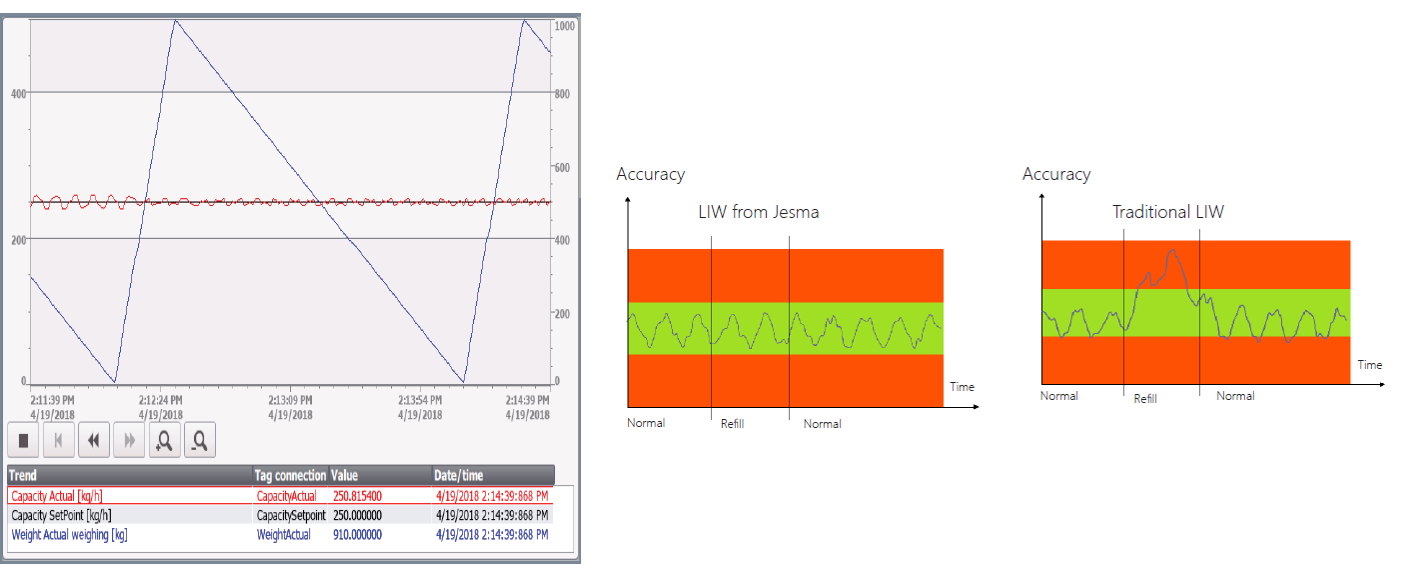
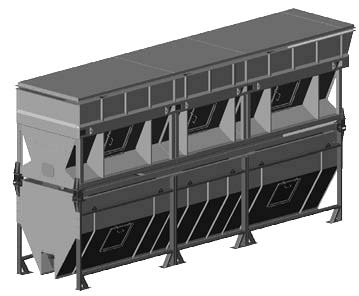
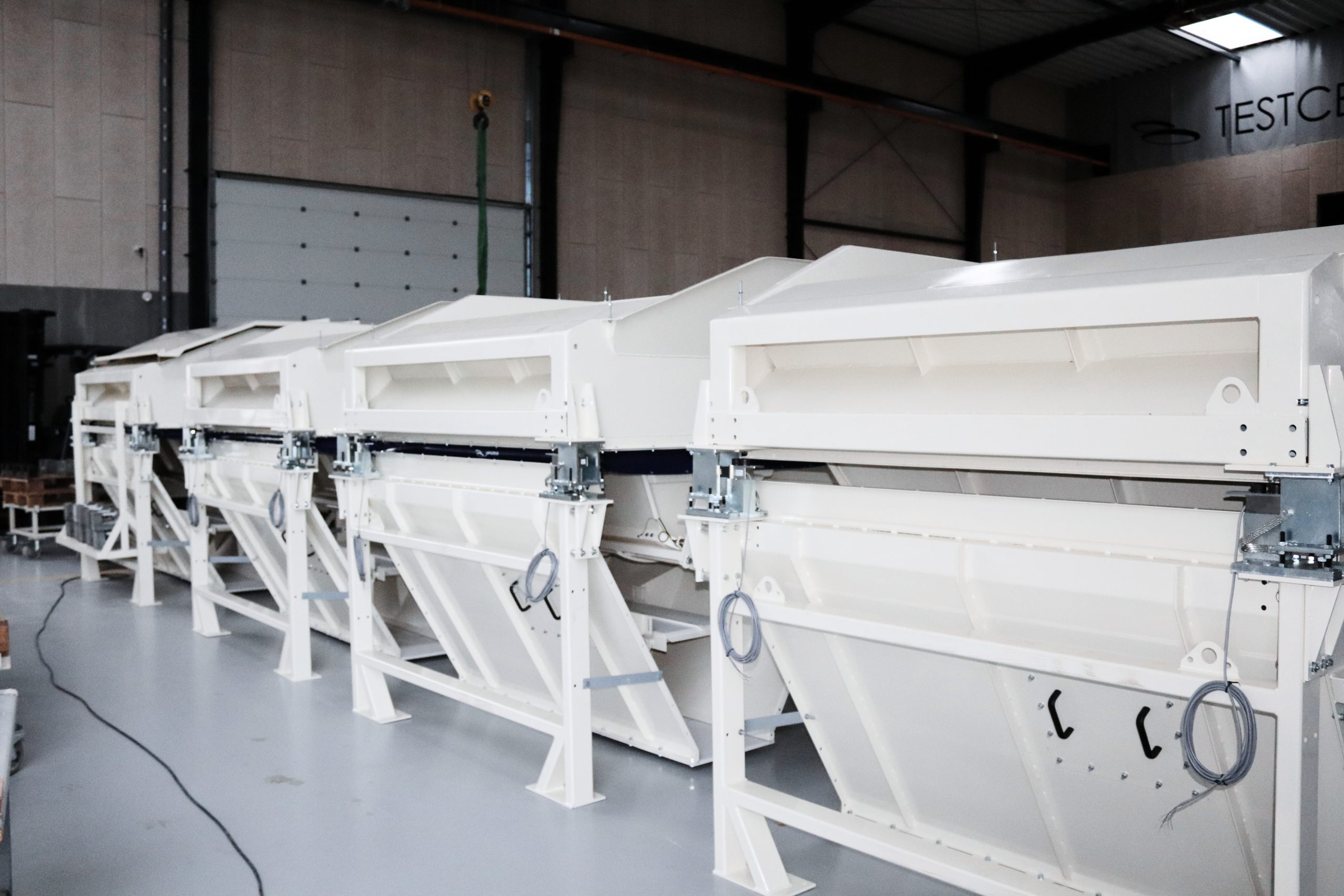
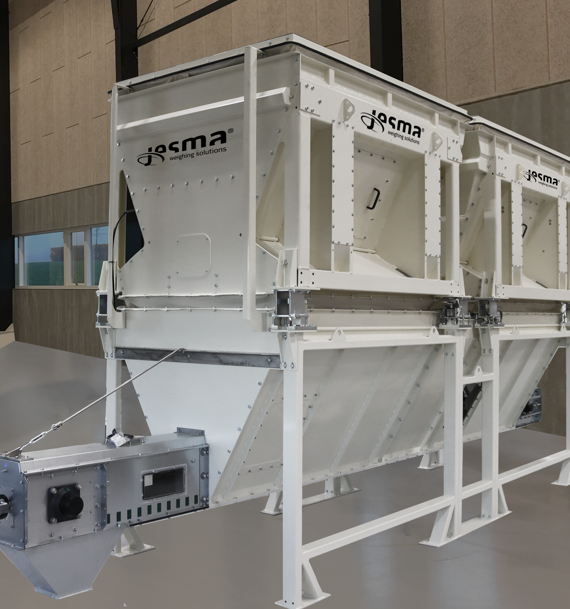
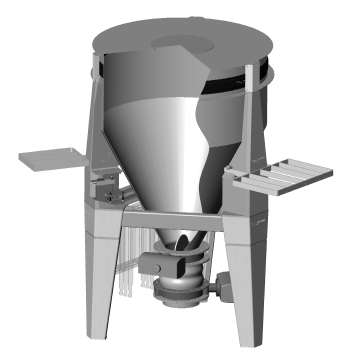
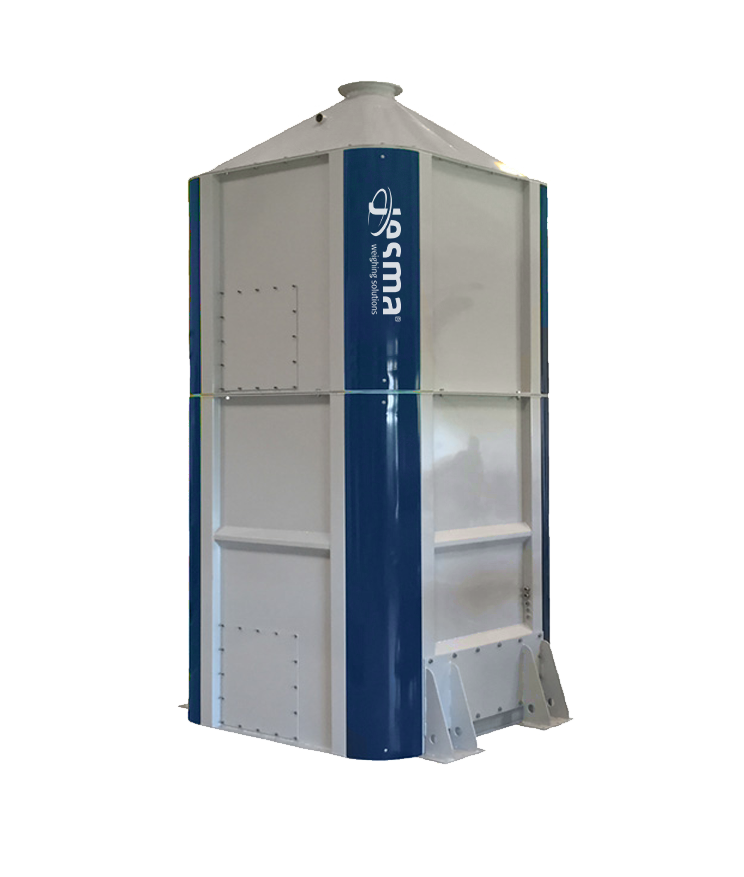
Single and/or double hopper scales for macro-dosing are designed and built to meet demand with optimal operational reliability in modern process industries. With the JesHopper scale, it is possible to dose large batches. Hopper scales are designed for fast, accurate, and reliable feeding and discharge of materials such as grains and flours.

All Jesma hopper scales are designed and supplied with a modular construction, ensuring easy transport and a high degree of flexibility, allowing for future expansions without the need for major reconstructions.

Our standard range offers capacities from 200 kg to 10,000 kg.

Single scales

Consist of a weighing hopper, load cells, support legs, and space for a lower conveyor. They provide great flexibility and various adjustment possibilities. The material is filled through dosing devices from the top, and once the desired amount of material/product is reached, the JesHopper Single empties via the chain conveyor located at the bottom of the weighing hopper.

Double scales

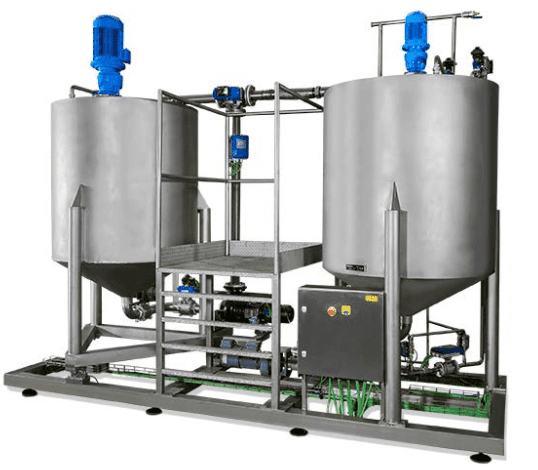
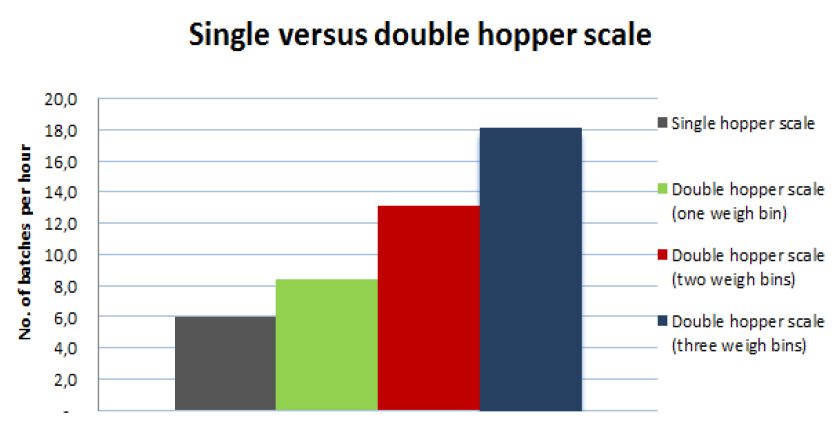
The JesHopper Double is equipped with two hoppers: one for weighing and one for loading/storage. This allows a new load to begin while the previous one is being emptied, as the weighed load is quickly transferred to the lower hopper. This significantly increases the number of batches per hour.

The main difference between a single hopper scale and a double hopper scale is the ability to start weighing a new load before the system is emptied. The JesHopper Double has a higher batch capacity per hour since its design allows the weighing container to be filled while the previous batch is being emptied.

Extruder

Extruder

The pet food market is constantly evolving, and the growing focus on pet health and well-being has raised the standards and demands of the industry. Today's consumers expect pet food in a wide variety of shapes, colors, and flavors, combined with an attractive appearance and high nutritional value. Meeting these expectations requires advanced, multifunctional equipment. Our partner ANDRITZ's range of extruders enables manufacturers to meet these evolving consumer demands efficiently.


Single screw extruders

The ANDRITZ single screw extruders provide the latest technology for the production of pet food.


Extruder – type EX1250

  • High capacity extrusion: 10-20 tph
  • High degree of processing flexibility
  • User-friendly design for operation and maintenance
  • Minimum downtime


Extruder – type EX1021

  • High capacity: 2-12 tph

  • Low-cost maintenance and wear parts
  • High performance V-belt transmission


Twin-Screw Extruders

Our partner ANDRITZ’s new twin-screw extruder ensures complete starch utilization and total material discharge, providing optimal hygienic conditions and enabling quick recipe changes. The ideal solution for formulations with a high content of meat slurry or fresh meat.


ANDRITZ extrusion technologies are available in various models and with optional accessories to offer the optimum solution for your specific needs in pet food production.

Recovery of solids

Recovery of solids

Commonly, in pet food production processes, both dry and wet by-products are generated, each with different characteristics in terms of physicochemical parameters.

Most fines come from sieves, dryers, coolers, cyclones, and conveyors, with low moisture content and variable temperature. Another dry by-product, considered waste, is the rejected or defective final product that does not meet quality standards to be delivered to the end customer.

On the other hand, wet by-products originate during extruder stops and starts. Due to their high moisture content, these by-products are often very challenging to handle, as they decompose quickly and typically appear as sticky lumps.


The By-Product Recovery System (SRS) recovers solids generated at any point in the process, maximizing both products and production time. The recovery of by-products is done quickly, preventing material decomposition, especially when dealing with wet by-products from extruder startups and shutdowns.

Its most important advantages:

  • Utilizes 99.9% of by-products.
  • Saves costs and reprocessing time.
  • Optimizes the manufacturing process.
  • Improves traceability.
  • Produces a highly homogeneous slurry.
  • Easy to clean.
  • Can be installed horizontally or vertically.


The addition of slurry replaces part of the water added to the preconditioner. Therefore, it is essential for this process to be carried out in a controlled manner using electronic signals, as the amount of water entering the preconditioner/extruder directly and through the SRS must be continuously monitored. This control system makes the process entirely automatic, with minimal human intervention.

With the SRS, we can not only recover by-products generated throughout the process but also add fresh meat to create super-premium recipes. The system can be easily adapted to add emulsified meat, or we can even provide a complete solution to process fresh and/or frozen meat, transforming it into an emulsion that can be injected in a controlled manner.

In the most comprehensive projects, the system includes:

  • Reception of fresh and/or frozen meat
  • Cutter or grinder
  • Intermediate storage hopper
  • Mixer with emulsifier
  • Modified SRS for injecting by-products + emulsified meat.

Microdosing

Microdosing

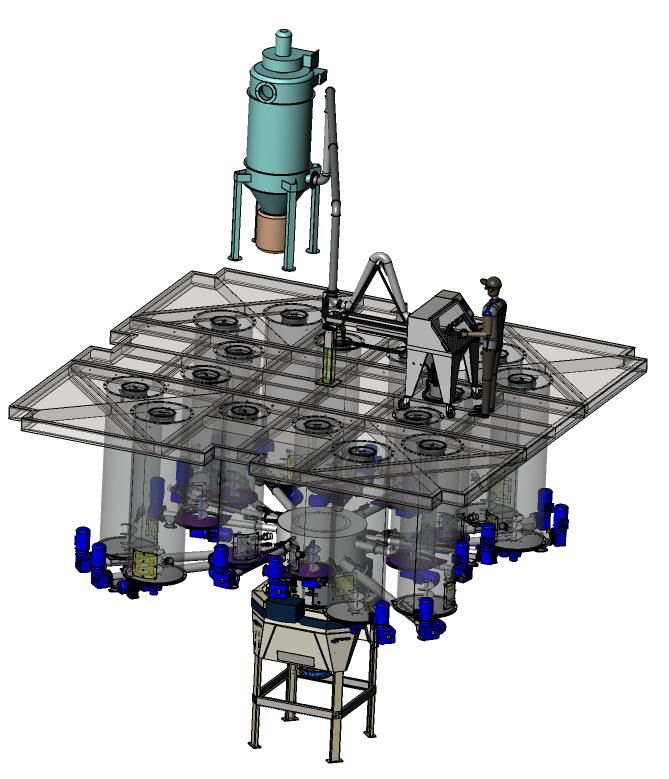
Microdosing systems have been specially developed for the fine dosing of ingredients, additives, and raw materials, where overdosing of micro-ingredients can be costly.

A key condition for a high-quality final product is controlled and precise dosing of ingredients. Micro and nano dosing systems are specially developed for the accurate dosing of ingredients. At Jesma, each system is tailored to meet the customer's requirements, and by carefully considering the product's characteristics, it makes precise dosing possible even for low-flow products.

With our technology, you will achieve:

  • Process safety: Avoid human errors such as placing a product in the wrong silo (silo opening system via barcode).
  • Cylindrical silos: Prevent product sticking in corners and eliminate rat holing.
  • Silo bottom scraper: Ensures a continuous and free flow for all raw materials.
  • Propeller and pneumatic lid: Maximizes precision and stops the flow at the exact moment.
  • Teflon-coated and cylindrical scales: Ensures complete and quick discharge.
  • Dust aspiration filtration system.

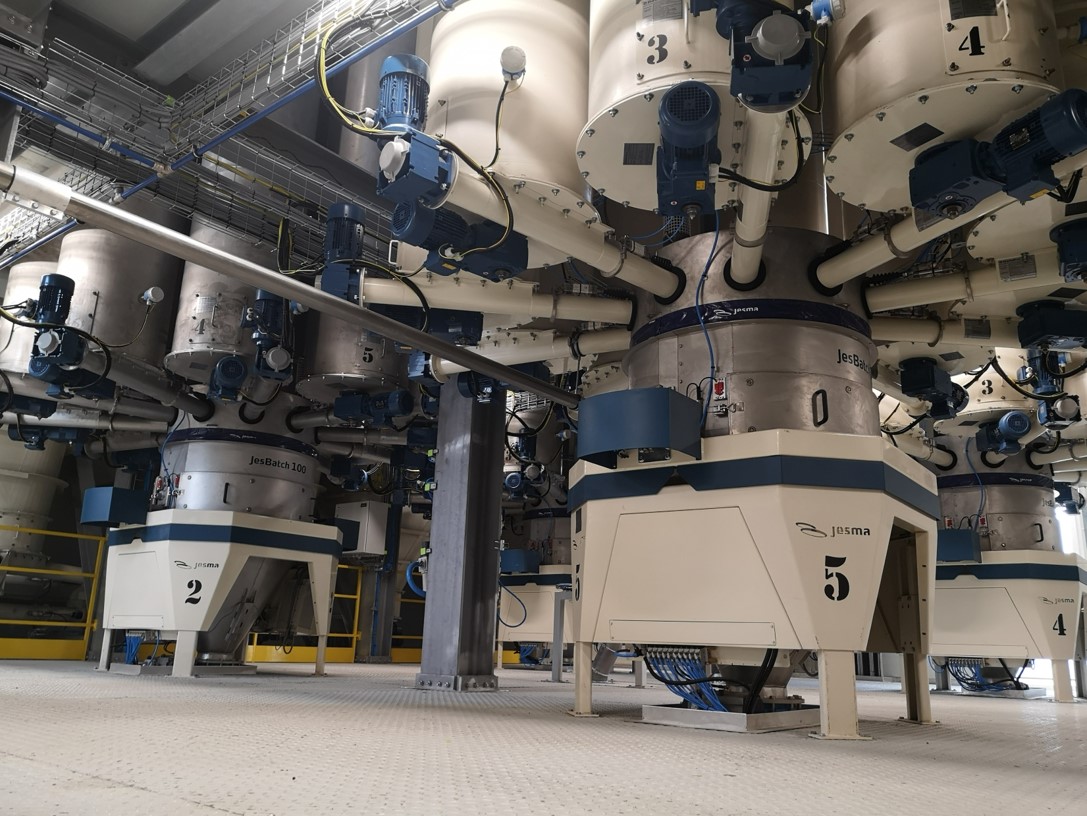
Below is an installation featuring multiple micro and nano dosing units installed in Poland.

The system can be arranged in circular, semi-circular, square, or other required layouts depending on the available space and location. Jesma offers various types of micro scales for the dosing system, each tailored to meet client needs and designed to guarantee complete emptying of the weighing container. The silos are available with live bottoms featuring scrapers and stirring screws, ensuring complete discharge of low-flowability materials and uniform feeding of the dosing screw.

Nano dosing scales
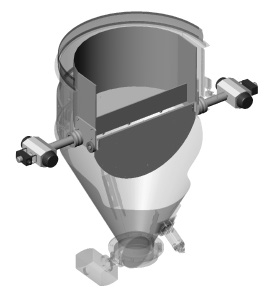
The JesBatch Nano dosing scale is designed to eliminate cross-contamination and operate with very high static precision for dosing and weighing small quantities of ingredients. The scale consists of a Teflon-coated weighing container that empties by being pneumatically tilted and vibrated with a pneumatic hammer to ensure complete emptying between batches. These scales range from 2 kg (+/- 0.5 g) to 30 kg (+/- 7 g).
Micro dosing scales
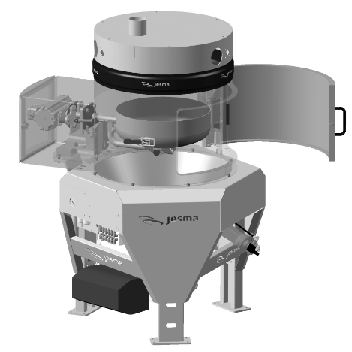
The JesBatch Micro scale features a weighing container with pneumatically activated bottom flaps for emptying. The Teflon-coated flaps open 90° to ensure complete emptying between batches. These scales range from 50 kg (+/- 10 g) to 200 kg (+/- 40 g).

Medi dosing scales
Jesma completes the range of dosing scales with the JesBatch Medi, designed for medium-sized ingredient dosing. To prevent dust accumulation in the environment, a slight negative pressure must be maintained in the scale, requiring aspiration. Additionally, the air from the lower pneumatic transport system must not affect the weighing process. This is achieved by installing a valve above the transport system. These scales range from 400 kg (+/- 100 g) to 1000 kg (+/- 250 g).

All scales are supplied with completely smooth interiors to ensure optimal emptying and minimal cross-contamination, combined with a sturdy and rigid construction for the highest possible operational reliability.

Belt weighing

Belt weighing

The need for flow measurement and control is essential at many stages of the process. Together with Jesma, we are able to measure product flow reliably.

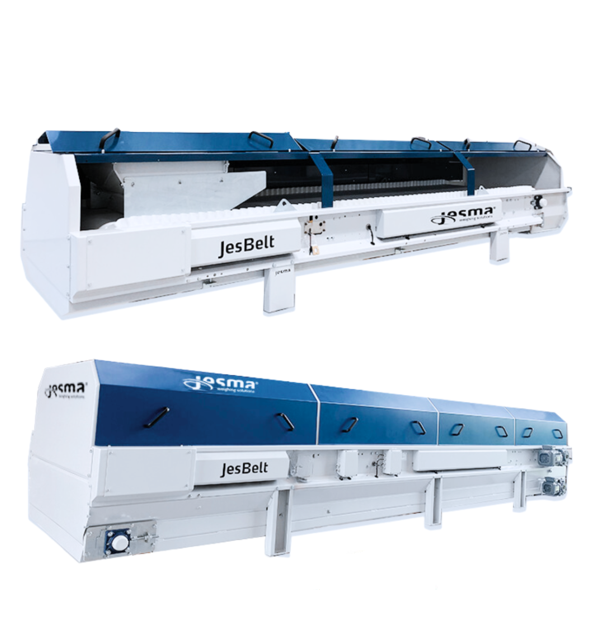
If sufficient headroom is available, the JesIntake system is recommended. On the other hand, if height is limited, JesBelt weighing belts are the ideal solution. These feature an incremental encoder (tachometer) mounted on the roller, enabling continuous belt monitoring and ensuring an immediate alarm signal in case of irregularities in belt transmission. The belt is equipped with load cells that guarantee high accuracy even with irregular material flow. The weighing belt is designed and built for the continuous weighing of material conveyed on a belt, or for the regulation of a specific material flow.


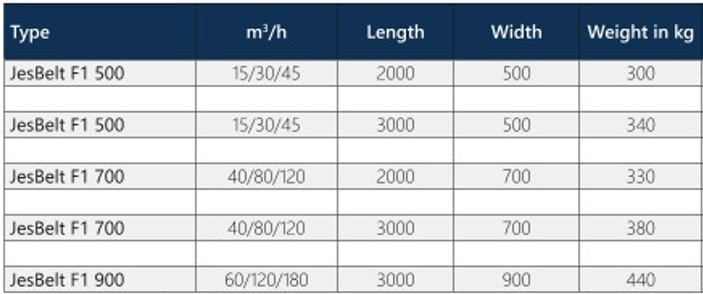
If an immediate solution is required, the JesBelt F1 is our standard range of weighing belts. With 1% accuracy and versatile functionality, precise and efficient performance is ensured. Its user-friendly design simplifies maintenance with easy belt replacement and integrated cleaning features, minimizing downtime.

The JesBelt F1 range is available in three configurations: basic, standard, and complete.

Recovery of solids

Recovery of solids

Commonly, in pet food production processes, both dry and wet by-products are generated, each with different characteristics in terms of physicochemical parameters.

Most fines come from sieves, dryers, coolers, cyclones, and conveyors, with low moisture content and variable temperature. Another dry by-product, considered waste, is the rejected or defective final product that does not meet quality standards to be delivered to the end customer.

On the other hand, wet by-products originate during extruder stops and starts. Due to their high moisture content, these by-products are often very challenging to handle, as they decompose quickly and typically appear as sticky lumps.


The By-Product Recovery System (SRS) recovers solids generated at any point in the process, maximizing both products and production time. The recovery of by-products is done quickly, preventing material decomposition, especially when dealing with wet by-products from extruder startups and shutdowns.

Its most important advantages:

  • Utilizes 99.9% of by-products.
  • Saves costs and reprocessing time.
  • Optimizes the manufacturing process.
  • Improves traceability.
  • Produces a highly homogeneous slurry.
  • Easy to clean.
  • Can be installed horizontally or vertically.

The addition of slurry replaces part of the water added to the preconditioner. Therefore, it is essential for this process to be carried out in a controlled manner using electronic signals, as the amount of water entering the preconditioner/extruder directly and through the SRS must be continuously monitored. This control system makes the process entirely automatic, with minimal human intervention.

Odor control

Odor control

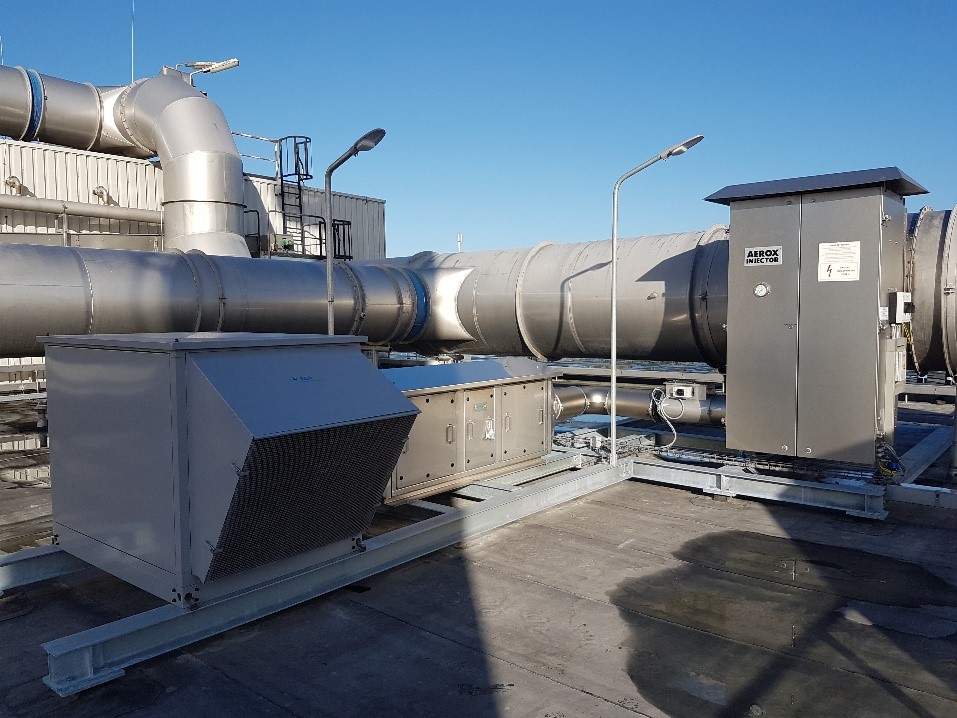
Aerox is the manufacturer of the Aerox Injector, a device that eliminates bad odors produced in industrial processes and is recognized as "the best available technology." It uses non-thermal plasma to generate free oxygen radicals, which react with the odorous air and prevent them from being detectable by the human nose.

The main advantages of the Aerox Injector:

  • Eliminates up to 95% of odors.
  • Works in 0.5 seconds.
  • Consumes minimal electrical energy.
  • Has a compact size.
  • Does not use fuels, chemicals, or water.
  • Generates no waste.
  • Easy to install and maintain.

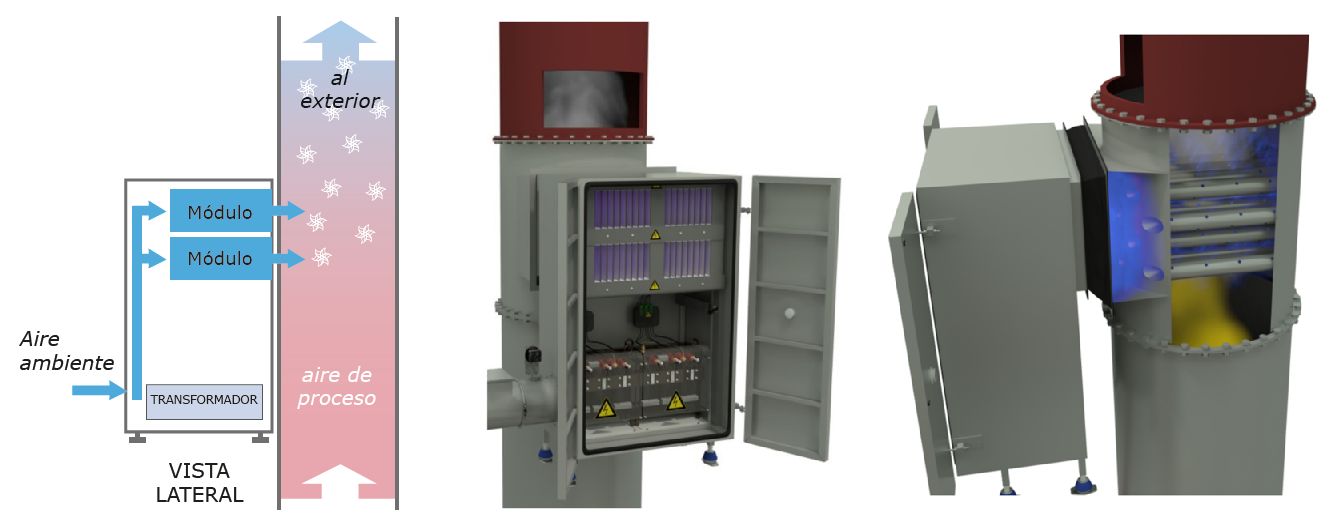
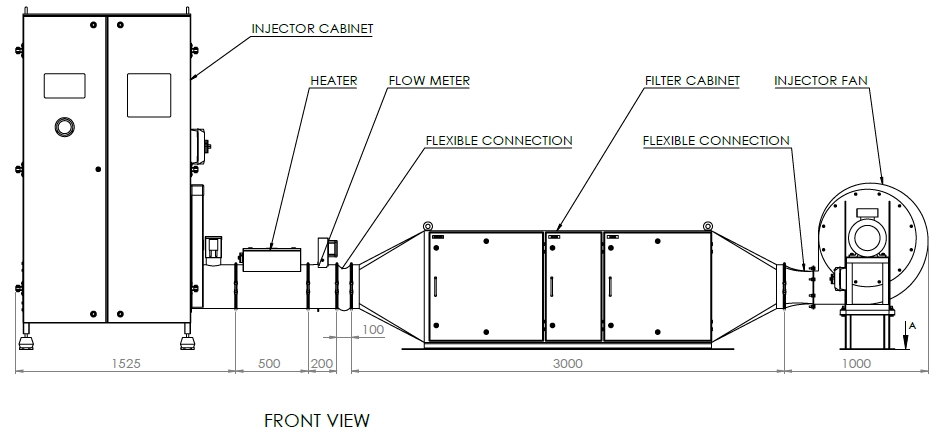
The system includes a small fan that extracts air from the environment and pushes it through a set of filters and a heater. These components purify the air and reduce its relative humidity. Once clean and free from condensation risk, the air circulates through the cold plasma modules, where oxygen radicals are generated. These radicals are injected into the process duct and react quickly with odorous gases, making them imperceptible to the human nose.


The injection principle ensures that process air (with humidity, temperature, and dust) does not enter the plasma modules of the equipment, which can be considered the "heart" of the system. This scheme of injecting oxygen radicals generated from treated air can be represented as follows:

In addition to the injection principle, another very important advantage is the compact size of the equipment, which does not exceed 6.5 meters in length. It also allows for multiple configurations and the installation of separate parts connected by ducts.

Together with Aerox, we help our clients reduce emissions and comply with industrial and governmental regulations. Their innovative technique for eliminating odors in humid air processes has become the preferred solution for global market leaders.

Tubular transport

Tubular transport

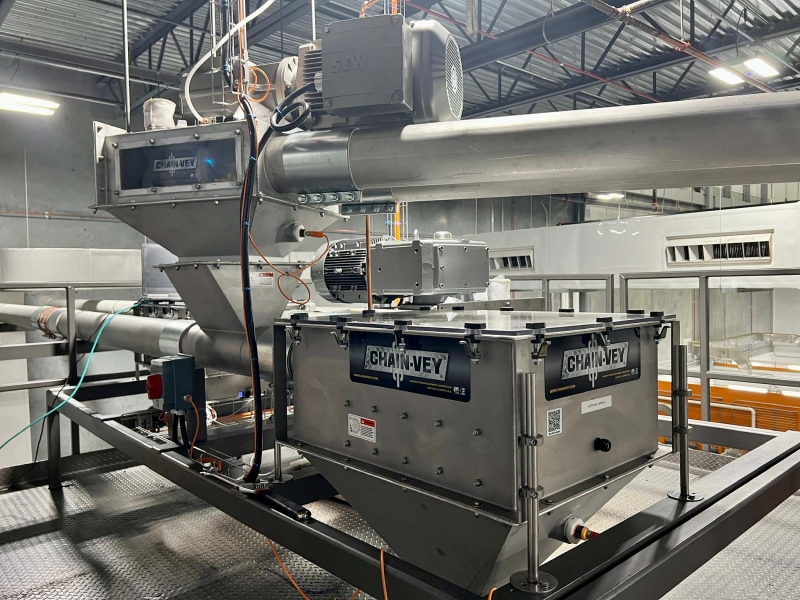
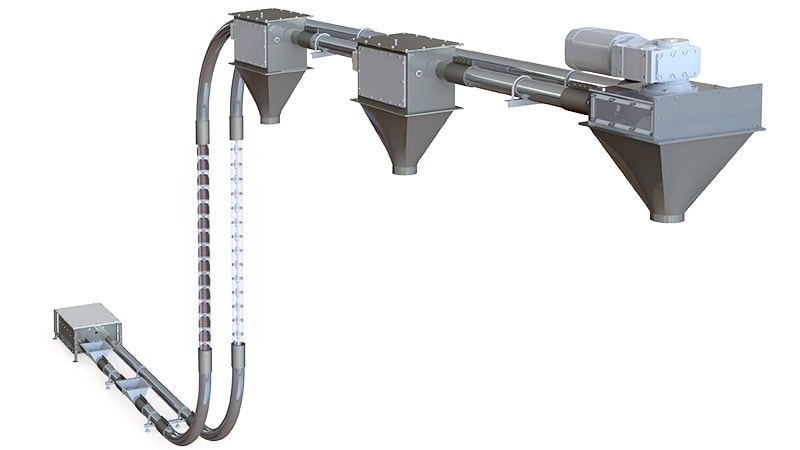
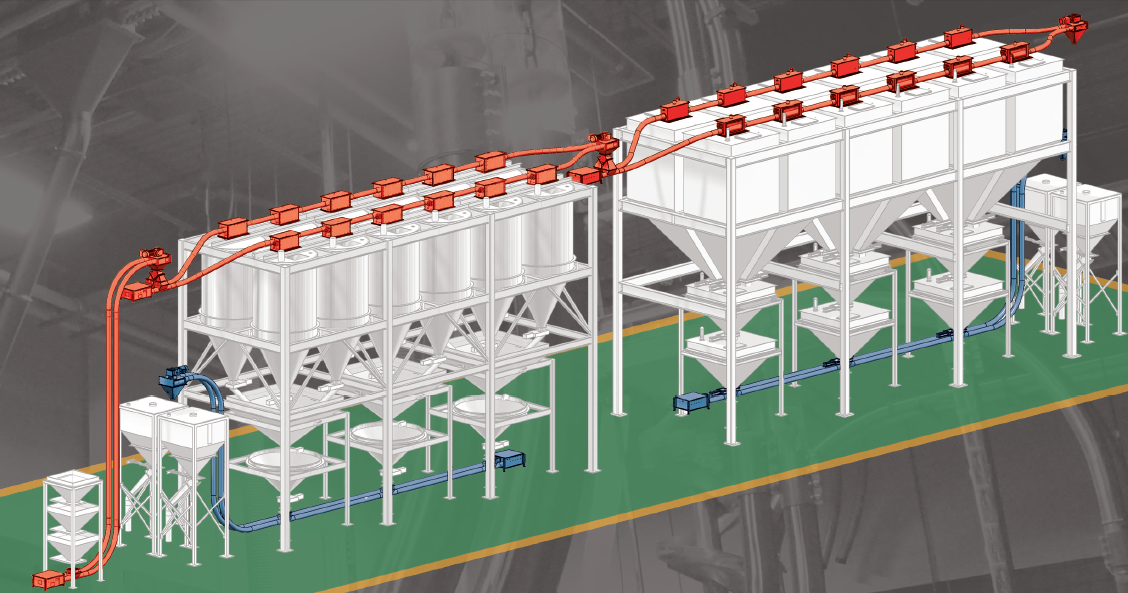
Chain-Vey offers equipment for transporting products using discs and chains. The tubular conveyors are efficient, food-safe, low-maintenance, flexible, and can incorporate a cleaning system.

It is the ideal type of transport for delicate products that need to maintain their structure, as it moves them gently. This ensures a high-quality final product.

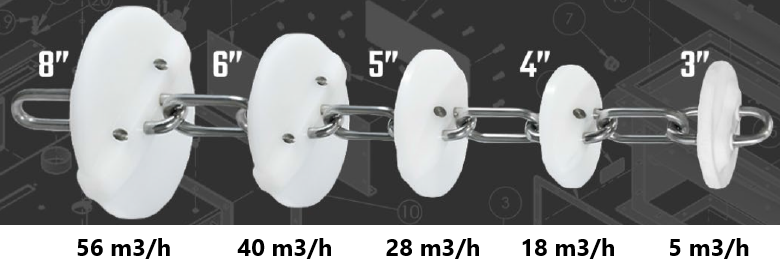
The systems can be found in different sizes, depending on the target capacity sought, and the wide variety of available diameters allows us to adjust very precisely to the requirement.

These systems offer the possibility of incorporating various cleaning systems, both dry and wet, which helps save a significant amount of downtime and labor.

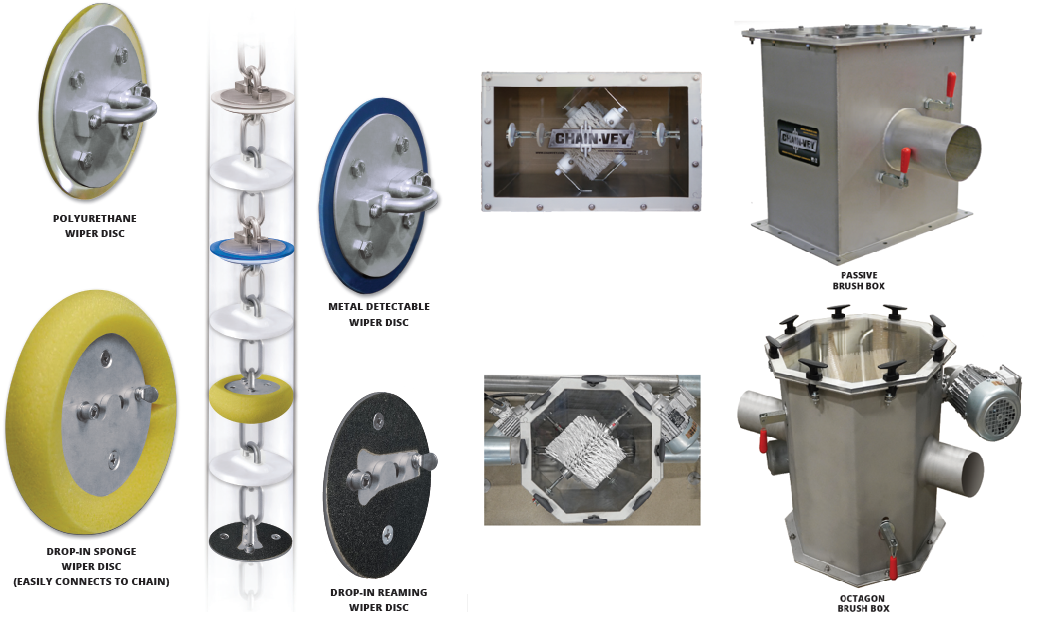
  • For dry cleaning: polyurethane discs, sponges, abrasive and/or metal-detectable discs, passive and/or motorized cleaning brushes.
  • For wet cleaning, we offer CIP systems of different grades.

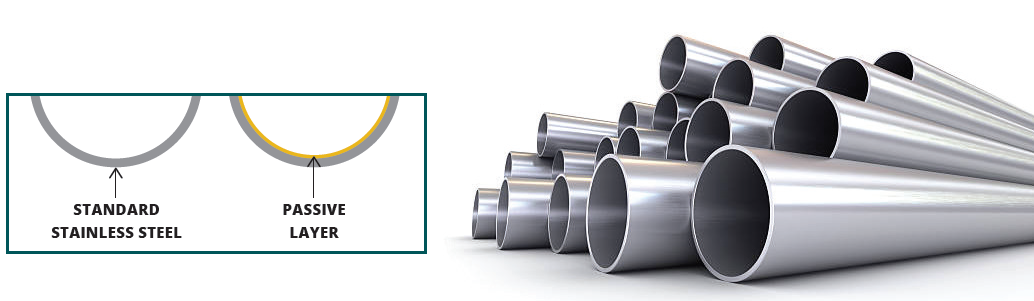
Additionally, certain greasy or oily products tend to react with the iron present in carbon steel or even with the iron found in stainless steel. For this reason, it is possible to pigment the internal wall of the tubes with an acid film, which creates a passivation layer on the material, providing a non-reactive surface for the product. This ensures the transported product retains its integrity and original color, without undergoing alterations.

The system is capable of reversing its rotation direction, making it highly efficient when filling a large set of silos positioned in two rows. This means simply pressing a button, and the system reverses its rotation by 180°.

All our tubular conveyor systems are robust, hygienic, gentle, and quiet. The durable, low-friction discs are designed to reduce maintenance costs and energy consumption.

It is possible to perform an internal visual inspection of the system thanks to its easily attachable integrated camera. This allows you to check the system's cleanliness and prevent potential issues. The study results will appear as follows:

Assembling the system is very simple and quick. Even joining the chain takes no more than a minute. Thanks to the polyurethane disc, we guarantee two functions: a perfect link between the chain segments and continuous cleaning of the internal walls of the tubes.

If you would like to learn more details about the Chain-Vey system, we invite you to watch the following video:


Transport

Transport

Chain-Vey offers equipment for transporting products using discs and chains. The tubular conveyors are efficient, food-safe, low-maintenance, flexible, and can incorporate a cleaning system.

It is the ideal type of transport for delicate products that need to maintain their structure, as it moves them gently. This ensures a high-quality final product.

The systems can be found in different sizes, depending on the target capacity sought, and the wide variety of available diameters allows us to adjust very precisely to the requirement.

These systems offer the possibility of incorporating various cleaning systems, both dry and wet, which helps save a significant amount of downtime and labor.

  • For dry cleaning: polyurethane discs, sponges, abrasive and/or metal-detectable discs, passive and/or motorized cleaning brushes.
  • For wet cleaning, we offer CIP systems of different grades.

Additionally, certain greasy or oily products tend to react with the iron present in carbon steel or even with the iron found in stainless steel. For this reason, it is possible to pigment the internal wall of the tubes with an acid film, which creates a passivation layer on the material, providing a non-reactive surface for the product. This ensures the transported product retains its integrity and original color, without undergoing alterations.

The system is capable of reversing its rotation direction, making it highly efficient when filling a large set of silos positioned in two rows. This means simply pressing a button, and the system reverses its rotation by 180°.

All our tubular conveyor systems are robust, hygienic, gentle, and quiet. The durable, low-friction discs are designed to reduce maintenance costs and energy consumption.

It is possible to perform an internal visual inspection of the system thanks to its easily attachable integrated camera. This allows you to check the system's cleanliness and prevent potential issues. The study results will appear as follows:

Assembling the system is very simple and quick. Even joining the chain takes no more than a minute. Thanks to the polyurethane disc, we guarantee two functions: a perfect link between the chain segments and continuous cleaning of the internal walls of the tubes.

If you would like to learn more details about the Chain-Vey system, we invite you to watch the following video:

Packaging and palletizing

Packaging and palletizing

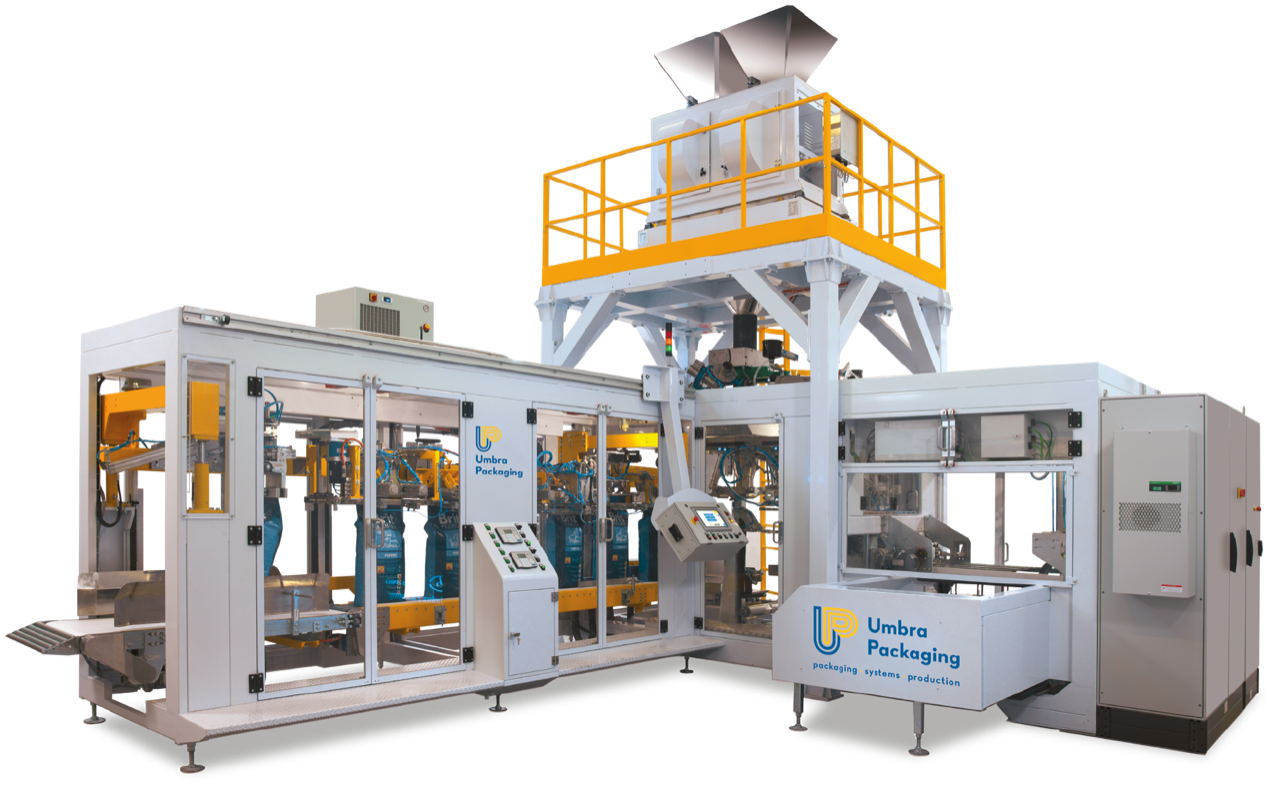
Umbra Packaging specializes in the design and manufacturing of equipment for packaging products in pre-made open-mouth bags. With a wide range of models, Umbra guarantees excellent results for each specific need.

Key features include:

  • Ability to handle all types of bags available on the market: plastic, PE, PP, aluminized, paper, raffia, and complex materials. Bags with 5 sides, front or top zippers, bags with handles and/or die-cut.
  • Integrable sealing system: hot-bar sealing, impulse bars, pinch top, and sewing.
  • Capability for vacuum packing + inert gas addition and oxygen level checking.
  • Automatic lubrication system at all required points.
  • Zipper and/or Velcro opening device.
  • Filling cone suitable for all formats without the need for changeovers, meaning format changes can be done in just 2 minutes.
  • "Wally" bag alignment device, ensuring a perfectly horizontal seal.
  • Cooling bars for the seal so it doesn’t warp, ensuring the top of the bag is perfectly vertical.

For large bags (up to 50 kg), we offer several models: UP 1000, 1200, 1500, and 1800 (depending on the required capacity). Here are videos of this technology:

For small packages (up to 10 kg), we offer two models: UPS MINI 30 and 60. Here are some videos of these models:

A distinctive symbol of Umbra's activities is the R&D department, which, thanks to significant and continuous investments and focused work in the research and development of new technologies specific to different sectors, allows them to maintain a leadership position in the global market. Umbra, always attentive to customer needs, continues to innovate and develop to offer superior products in terms of efficiency and technological content.

No matter what your packaging needs are, we have a solution for you, with quality and technology. Together with Umbra, we can meet all the packaging needs for pre-made open-mouth bags.

Packing VFFS

Packing VFFS

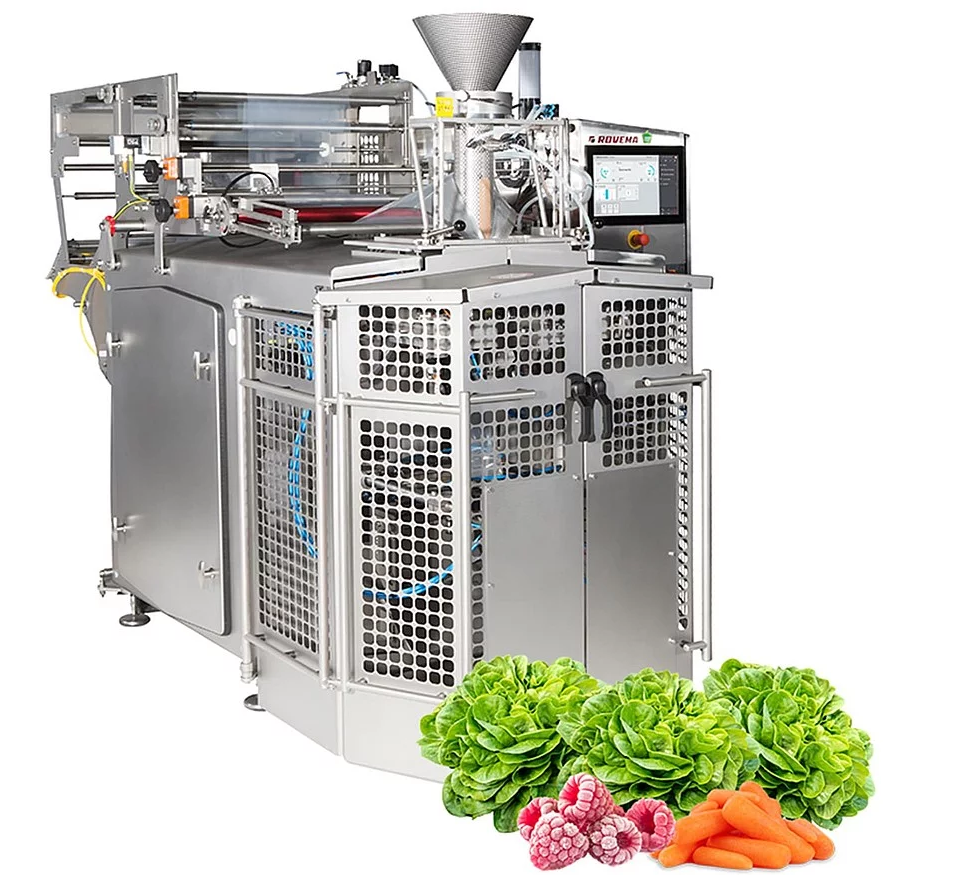
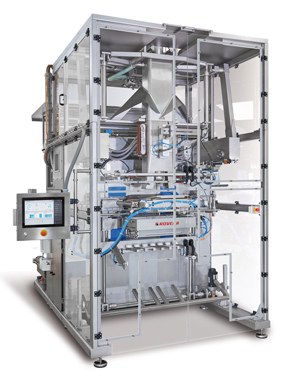
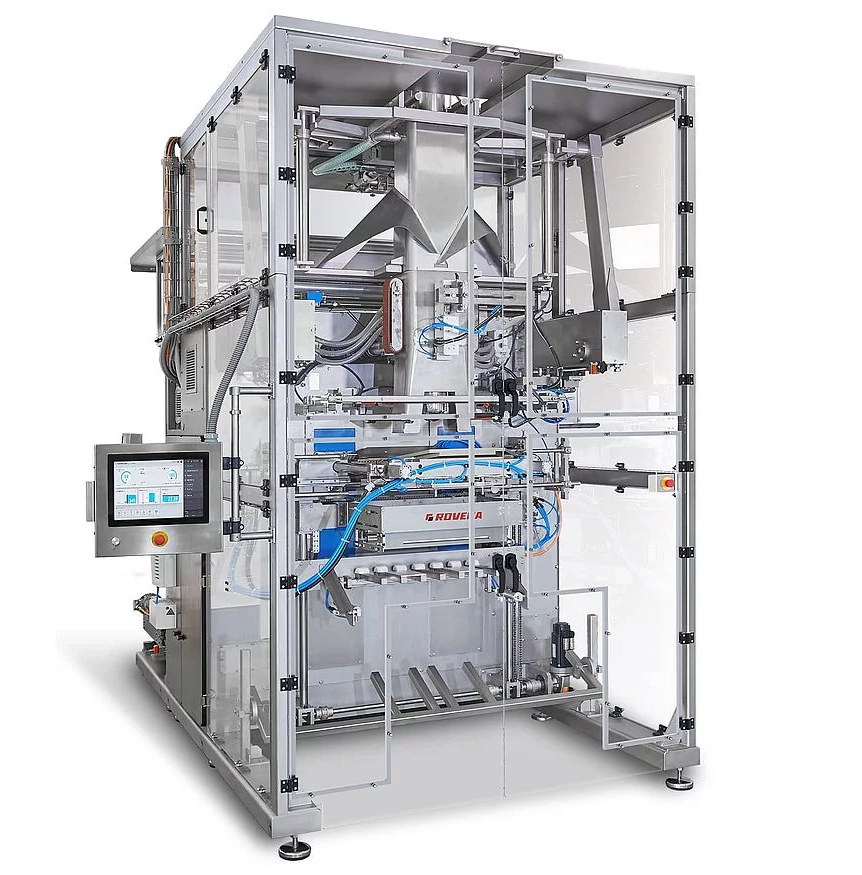
Together with Rovema, we offer continuous vertical form-fill-seal (VFFS) machines equipped with high-quality systems that deliver excellent results in the packaging process. These systems are designed for small bag sizes (up to 10-11 kg with a maximum bag width of 400 mm).

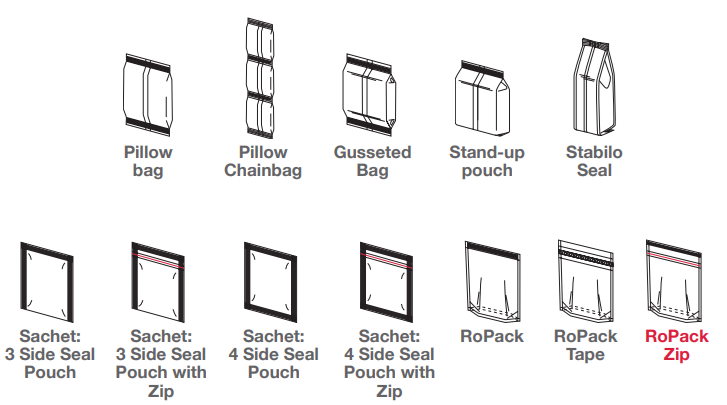
Some of the types of bags they can handle include:

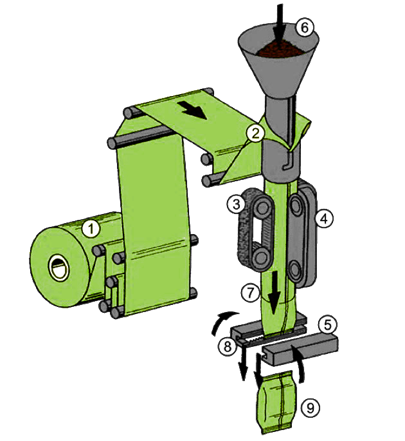
VFFS machines are responsible for forming, filling, and sealing the package from a flat film roll, following the principle illustrated below:

Advantages include:

  • Continuous operation, not intermittent, allowing for higher capacities.
  • Seal pressure programmable from the screen (standard 5000 N, optional up to 8000 N).
  • Product detection between jaws (Sense & Seal).
  • Automatic film tracking.
  • Film traction belts assisted by vacuum.
  • Seal pressure control (Premium Seal).
  • Machine efficiency according to DIN 8743 is 98%.
  • Perfect sealing thanks to screen control and reproducibility of the product recipe for the three sealing parameters: time, temperature, and force.

If small formats with high productivity are required, the BVC Twin model is ideal, achieving capacities of up to 500 bags per minute.

We also have equipment specially developed for packaging fresh products such as salads, vegetables, and fruits: BVC FRESH.

In close collaboration with many well-known and innovative packaging material manufacturers, alternative new packaging materials are systematically tested to verify their compatibility with Rovema machines, their sealing properties, and performance parameters. With this passion for sustainable packaging solutions, innovative packaging machines and equipment are offered that protect the environment and enable a more sustainable future.

Palletizing

Palletizing

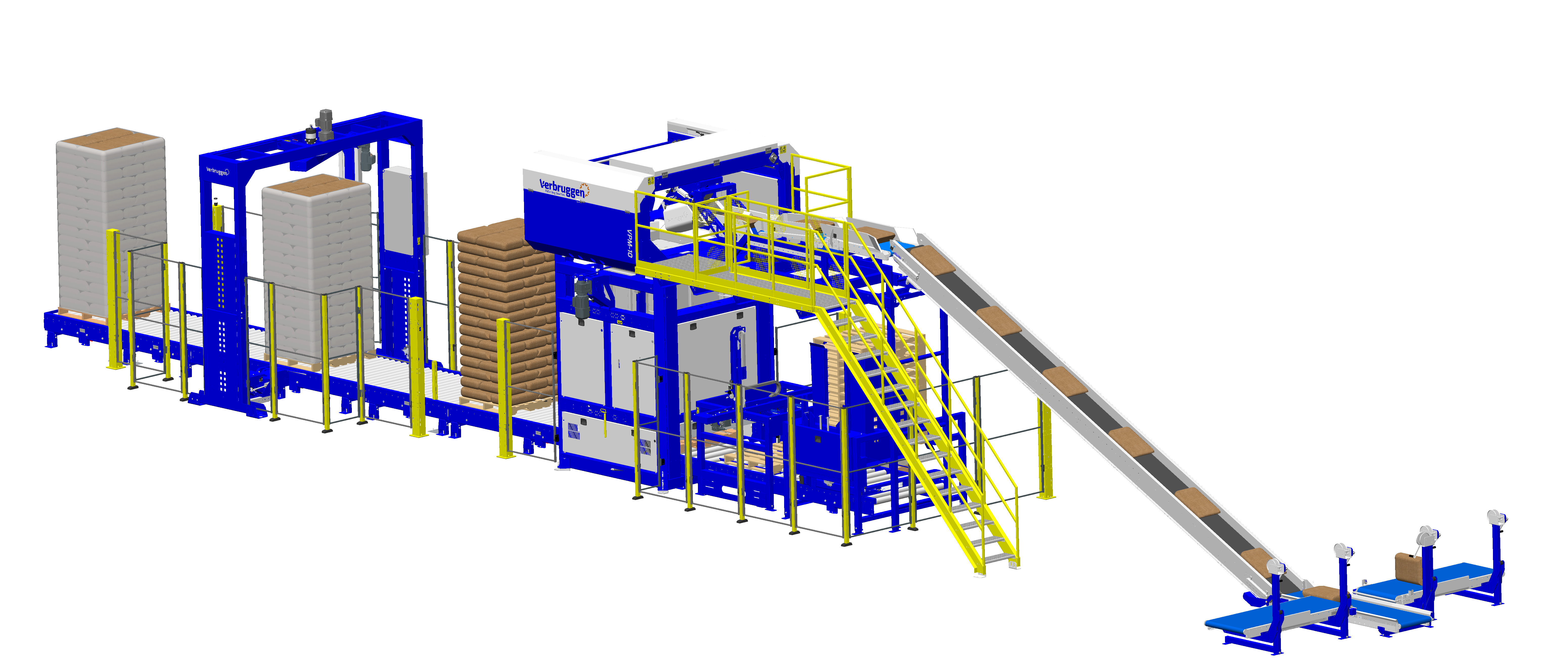
Verbruggen Palletizing Solutions is a Dutch company specializing in automatic and semi-automatic palletizing systems for bags, bales, and boxes. Their solutions are ideal for small spaces, as they focus on providing compact palletizers, thanks to their unique manipulator design that reduces the occupied space.

Verbruggen's palletizing machines are designed to deliver quality, durability, and incredibly stable pallets, with consistent performance. This exceptional focus on reliability makes Verbruggen the preferred choice for many industry leaders.

If your application requires box palletizing, we also offer the VPM BL for this purpose:

A palletizing machine offers several advantages for companies seeking to optimize their palletizing processes, including:

  • Increased efficiency: The machines provide a uniform and efficient method for stacking bags, resulting in higher productivity by reducing manual labor dependence and minimizing errors.
  • Cost savings: Automating the stacking of bags can lead to significant labor cost savings. Additionally, reducing errors and product damage during stacking helps cut expenses related to production losses and product returns.
  • Consistent quality: Bag palletizers ensure uniform, stable, and precise stacking, which enhances pallet quality. This is crucial for companies that need to meet strict quality standards and customer expectations.
  • Versatility: These machines adapt to various types of bags and product specifications, capable of handling bags, boxes, and/or bales with the same unit.
  • Time efficiency: The machines operate efficiently, saving valuable time compared to manual palletizing methods. This speed is especially advantageous for industries with large production volumes.
Pallet wrapping

Pallet wrapping

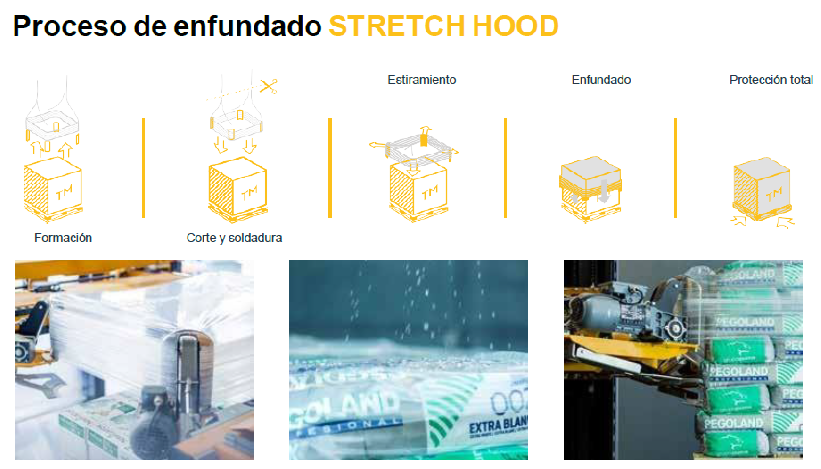
The Stretch Hood pallet wrapping system provides maximum load stability and protection. This innovative technology applies a tubular film that stretches and conforms to the shape of the load, offering stability and protection.

The Stretch Hood offers greater savings on consumables, faster wrapping speeds, complete load protection, transport safety, and a superior-quality finish that adds value to your palletized product.

Optional accessories include:

  • Vertical corner protector applicator system
  • High productivity kit (quick welding and buffer system)
  • Motorized unwinder
  • Load edge rounding system

The wrapping process becomes highly efficient and fast, thanks to the system's operational design. Additionally, you can include your brand or logo on the film, making it much more appealing and improving your brand positioning in both local and international markets.

Key advantages of the system:

  • Savings on packaging costs: The Stretch Hood system allows for up to 50% savings on film and energy consumables. It uses only the exact amount of stretch film needed to protect the load, reducing waste and excess film. Additionally, since it does not require heat combustion or gas installations, it also lowers energy consumption.
  • Total product protection: Stretch Hood is the only system that provides complete protection and waterproofing for the product. This total protection is achieved through the wrapping process and the properties of the Stretch Hood film, a multilayer film made of linear low-density polyethylene (LLDPE) with barrier properties against moisture, dust, and UV rays.
  • High packaging speed: Stretch Hood is the fastest packaging system, capable of wrapping up to 120 pallets per hour, compared to systems like shrink wrap, which wrap 60 pallets per hour. This is a decisive argument for many companies that choose to further automate and optimize their end-of-line production.
  • Additional stability and support: With Stretch Hood wrapping, the load remains secure and stable to prevent shifts, falls, or damage during transport. The Stretch Hood film is stretchable and, with the combination of vertical and horizontal contraction forces during wrapping, adapts to and secures the load, offering additional stability to palletizing.